
How Can Customers Communicate Laundry Care Preferences for Pickup Service?
Learn how to label laundry, explain detergent and drying preferences, and flag special-care items before pickup so your provider can confirm the right approach.
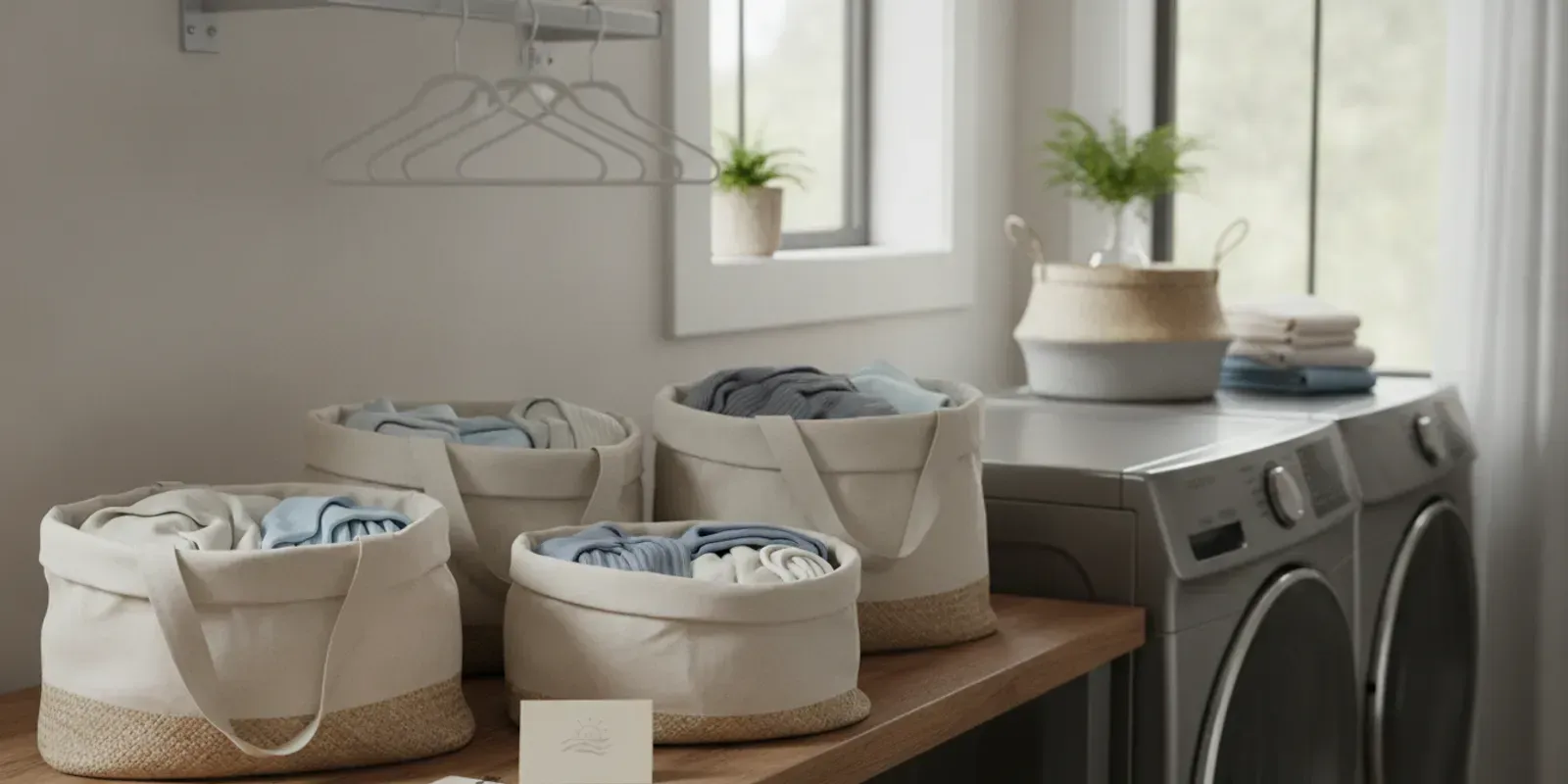
Laundry pickup care preferences are easiest to follow when you share them clearly before garments are processed. A short, specific note can explain detergent, water temperature, bleach, hang-dry requests, folding, and items that need separate attention. The key is to make each instruction easy to connect to the right clothes, then ask the provider to confirm anything that may need a different service.
Ask about pickup care preferences
Why do clear laundry care preferences matter?
A pickup order may include a mix of everyday clothing, towels, bedding, delicate pieces, and garments with different care-label instructions. A general request such as “please be careful” does not tell the laundry team what to do. A specific request such as “hang dry the two blouses in the small labeled bag” is more actionable because it identifies both the treatment and the items.
Clear instructions also help you spot a mismatch before service begins. If you request cold water, a particular detergent, or separate handling, the provider can tell you whether that request can be accommodated, whether it changes the service, or whether an item should be handled another way. This is better than assuming every preference is automatically available for every garment or order.
For a service such as wash and fold in Glendale, Washed Works says customers can customize water temperature, detergent selection, bleach use, hang-dry requests, and stain-treatment preferences. That gives you useful points to discuss when you arrange pickup, but it is still sensible to ask how a particular item or combination of instructions will be handled.
What should you decide before arranging pickup?
Take a few minutes to review the order before handing it off. You do not need to write an essay. A short list organized by garment group usually works better than a long message where item-specific details can get lost.
Check care labels and identify exceptions
Look at the care labels on items you are unsure about. Note garments that say to wash separately, use a particular temperature, avoid bleach, or dry flat or on a line. If a label calls for professional care, do not put the item into an ordinary wash-and-fold bag without asking the provider about the appropriate service. You can also keep items with special instructions apart from routine laundry so they are easy to identify.
Be precise about what is unusual. “One sweater needs special care” leaves room for interpretation. “The gray wool sweater in the small bag has a hand-wash label; please confirm whether it can be handled before processing” gives the provider a clear question and helps prevent an assumption.
Choose the preferences that matter most
Decide which instructions are essential and which are simply preferred. For example, you may require a specific detergent because of personal sensitivity, while preferring cold water when practical. Mark the difference. If every note sounds equally urgent, a provider may not know which request should guide a decision when instructions conflict.
- Water temperature: State the requested setting, such as cold or warm, and whether it is a firm requirement or a preference.
- Detergent: Identify the detergent selection you want. If you are asking for a specific product or type, confirm that it is available rather than assuming it is stocked.
- Bleach: Say whether bleach should be used, avoided, or considered only for a particular group of items. Do not leave this to guesswork.
- Drying: Identify items to hang dry or otherwise keep out of a standard dryer cycle. Avoid vague instructions such as “low heat for everything” if you mean only a few pieces.
- Folding: Explain whether you want items folded or whether any pieces should be returned on hangers, if the service can accommodate that request.
- Stain treatment: Point out the location and type of stain when known, and ask what treatment is appropriate. Stain removal cannot be promised, and treatment can depend on fabric and stain.
These are the types of preferences Washed Works identifies as customizable for wash-and-fold service. For pickup and delivery, use the available ordering channel to communicate your instructions and confirm how they will be attached to the order. Washed Works describes scheduling through its pickup and delivery service, including its mobile app, website, or Google Maps integration.
How can you make instructions easy to follow?
The most useful note is visible, short, and linked to the right items. If the order has several groups, separate them and label each group instead of placing one note on top of a mixed bag. Use a label or note that stays with the relevant bundle, and keep a copy of your instructions in the order message if the booking channel provides one.
- Sort by treatment. Make separate groups for ordinary wash-and-fold items and anything with a different temperature, detergent, drying, bleach, or stain-treatment request.
- Use plain labels. Write the preference and the items it applies to. “Hang dry: two blue shirts in this bag” is clearer than “hang dry, please.”
- Keep the note concise. Put the most important instruction first. Avoid abbreviations or shorthand that someone unfamiliar with your routine might misread.
- Repeat critical details in the order notes. If the booking form or app has an instruction field, enter the same essential details there. A physical label and an order note can reinforce one another.
- Ask for acknowledgment. If the request is essential, ask the provider to confirm it before the order is processed. A request is not the same as confirmation.
For example, instead of “special instructions: cold, no bleach, dry careful,” try: “Please wash the everyday items in this bag in cold water and do not use bleach. Hang dry the two green tops in the separate small bag. Please contact me before treating the marked stain.” This separates the general preference from the item-specific request and tells the provider where a decision is needed.
When using a pickup option, check the current ordering steps and available notes before submitting. Washed Works also lists its Glendale location for customers who want to review location information, and its service areas page can help you check whether a delivery address is covered.
Use a simple label system for several bundles
If an order has three or four distinct groups, use a repeatable format rather than writing a paragraph on every bag. Give each bundle a clear name, list the treatment, and note any items that should not be processed without approval. For example: “Everyday clothes: cold water, no bleach”; “Work shirts: hang dry, return folded if hangers are unavailable”; “Marked garment: please confirm care before washing.” This keeps routine requests separate from the exception that needs a decision.
Check that the physical labels and digital order note do not contradict each other. If a label says “hang dry” but the order message says “dryer is fine,” clarify which instruction is current before pickup. When a preference applies to the whole order, say so plainly; when it applies to only one bundle, repeat the bundle name. The extra few words can prevent an instruction from being applied too broadly.
Which preferences should you confirm with the provider?
Some instructions are simple to communicate but still need confirmation. A provider may need to know the exact garment, care-label directions, or whether a request is possible within the service selected. Confirm the points below when they matter to your order.
What to confirm before pickup
- Water temperature: Include requested temperature and which group of clothes it applies to. Confirm whether it can be applied to that order or garment group.
- Detergent choice: Include preferred selection and whether it is essential. Confirm availability and any instructions for supplying a product, if applicable.
- Bleach: Include whether to use it, avoid it, or limit it to a named group. Confirm whether the request is understood for each relevant group.
- Hang dry or other drying request: Include specific garments, clearly separated or identified. Confirm whether the requested drying method is available for those items.
- Stain treatment: Include stain location, known cause, fabric, and the treatment you are asking about. Confirm whether the provider recommends proceeding; no outcome should be assumed.
- Delicate or professional-care garment: Include item description and care-label directions. Confirm whether it belongs in wash and fold or should use a different service.
If a garment needs dry cleaning rather than routine laundering, ask about that service separately. Washed Works lists dry cleaning in Glendale, which is a more appropriate place to start than assuming a special note will turn a wash-and-fold order into a different garment-care service.
Separate everyday preferences from item-specific instructions
Some requests make sense for most of a load, while others apply to one piece. Keep those two categories distinct. “Use cold water for this order” is a whole-order instruction. “Do not dry the black sweater” is a garment-specific exception. If you put both in one note, add the exception after the general instruction and identify it unmistakably.
It can help to state what should happen if a request cannot be followed. You might ask the provider to set a garment aside and contact you rather than choosing another treatment. That is a request to confirm, not a guarantee that every order can be paused or changed in a particular way. Agree on the plan before pickup when the item matters, and do not include a garment in routine laundry until you understand the available option.
How should you handle sensitive or higher-priority requests?
Use a direct, respectful explanation without sharing more personal information than the provider needs. If you need a particular detergent choice or want a product avoided, state that as a care instruction. Ask whether the provider can meet it and whether you need to select a particular service or make a separate arrangement. Do not rely on a note that simply says “allergy” or “sensitive skin” to communicate a specific treatment.
For important preferences, get confirmation before pickup or processing. If the booking form has no suitable space, contact the provider and ask how to submit the instruction so it is connected with your order. Washed Works provides a contact page for questions. When communicating, include only the details needed to explain the request and identify the relevant items.
Keep potentially delicate garments or items with unclear care labels separate until you receive guidance. This does not mean every such item needs special treatment; it means you are avoiding a guess when the right approach is not obvious. If a request cannot be accommodated, ask about the available alternative before the order proceeds.
When should you send the care instructions?
Share preferences while arranging the order whenever possible, rather than waiting until the pickup is underway. Early communication gives you time to ask questions, clarify whether a service can meet the request, and make any needed changes. Repeat only the essential instructions at handoff so the important details remain easy to see.
Timing also matters when you need laundry returned quickly. Washed Works states that same-day service is available for items received by 3:00 PM, and next-day service is also offered. If your order has special handling requests, ask whether those affect its timing. Do not assume that a same-day cutoff guarantees a specific completion time or that every preference can be met within the same schedule.
For regular orders, save a concise version of your preferences so you can reuse it, but review it each time. Your laundry may change from one pickup to the next. A saved instruction for sheets, for example, should not automatically be applied to a delicate garment added to a later order.
Review the order note before pickup
Before the scheduled handoff, take a final minute to compare the order summary with your bundles. Check that the correct service is selected, the address is within the delivery area, and the care notes are present if the ordering channel shows them. If you changed a request after placing the order, make sure the provider has the updated version rather than relying on an edit that may not have been received.
This last check is especially useful when someone else in the household prepares the bags or meets the driver. Share the same short instructions with that person, and make sure they know which bundle requires confirmation. A clear handoff reduces the chance that a note stays at home while the clothes leave, or that a provider receives conflicting directions from different household members.
What common communication mistakes should you avoid?
- One instruction for a mixed load: If only some items need hang drying or a different temperature, identify those items separately.
- Unclear words: “Gentle,” “normal,” or “careful” may mean different things to different people. Name the action you want and ask what the provider can do.
- Unmarked stains: Point to the stain or identify the garment. A general note can make it difficult to know which spot needs attention.
- Assuming stain removal: A request asks the provider to assess or treat a mark; it does not guarantee the stain will come out. Ask what is appropriate for the fabric.
- Putting professional-care items in with routine laundry: Ask whether a garment should be handled through a separate service before including it.
- Changing instructions in multiple places: If a preference changes, update the order note and tell the provider which instruction is current.
- Waiting until after processing: A preference communicated late may not be possible to apply. Share important details before the work begins.
Good communication is also part of a good service relationship. A journal article on customer satisfaction and linen-service quality describes attention to customer preferences and returning laundry according to its type as service-quality considerations. For an individual order, the practical lesson is straightforward: state what matters, identify the affected items, and confirm the request rather than leaving details to inference.
How can you prepare a first pickup order?
Use this simple checklist before your first pickup, or any time an order includes unusual care needs:
- Review the garment labels and separate items with different care directions.
- Choose the water temperature, detergent, bleach, drying, folding, or stain-treatment requests that apply.
- Mark each request as essential or preferred when that distinction matters.
- Label the exact garments or bundle covered by each instruction.
- Enter essential details in the ordering channel and keep any physical label clear.
- Ask the provider to confirm requests that are important or may require a different service.
- Check timing and service availability, especially when you need a quick turnaround.
Washed Works offers pickup and delivery service and provides wash-and-fold and dry-cleaning options in Glendale. If you are unsure which option fits a particular garment or care request, ask before adding it to a pickup order. You can also review the self-serve laundry information if you are comparing drop-off service with doing laundry yourself at the facility.
One practical way to apply the checklist is to handle the order in three passes. First, sort garments by care label, not by who owns them. Second, write one instruction for the main group and a separate note for each exception. Third, verify the instructions in the order channel and ask about anything that affects service selection or timing. For instance, a household bag containing everyday clothes and two delicate tops should not get a blanket “wash everything cold” note without identifying the tops and confirming their care directions.
If you make the request for a family member or roommate, ask whether any garments have a care restriction they have not mentioned. Check pockets and remove personal items before bagging clothes; this is a useful final preparation step, but it does not replace reading labels or communicating garment-specific needs. For business or shared household orders, a standard note template can help: identify the bundle, list the requested treatment, and mark whether the provider should contact you before proceeding.
Contact Washed Works about your care requests
Frequently Asked Questions
Can I request a particular detergent for pickup laundry?
Washed Works identifies detergent selection as one of the wash-and-fold preferences customers can customize. Ask which choices are available and how to record your request for pickup. Do not assume a specific product is available until it is confirmed.
How do I ask for certain items to be hang dried?
Identify the exact pieces, separate them from the rest of the order, and attach a clear note such as “hang dry the two shirts in this bag.” Confirm that the request can be accommodated for those items.
Will a stain-treatment request remove the stain?
No result should be assumed. Identify the mark and garment, ask what treatment may be appropriate, and understand that the fabric and stain can affect the outcome.
Can a special instruction be added after pickup?
Contact the provider as soon as you notice an omission, but do not assume a late request can be applied once processing has started. The safest approach is to communicate important preferences when arranging the order and confirm them before work begins.
What is the next step?
For a smooth pickup, keep care notes specific and connected to the right items. Share essential preferences early, ask the provider to confirm anything uncertain, and choose a separate garment-care service when an item needs more than routine washing and folding.